
Make Sure You’re Physically Ready For Christmas!
Are you in pain right now, or even just ‘uncomfortable’? Wouldn’t tackling the pre-Christmas prep and enjoying the actual day be more enjoyable if you were pain-free? Don’t put your health on the bottom of the list! Book an appointment with us now. As Shira Tehrani said, ‘You can’t do anything about the length of your life, but you can do something about its width and depth’.
It’s a good idea to get your spine’s alignment sorted out asap as you tend to do things that you don’t normally do during the year. And doing those things can be the quickest way to a herniated disc – which would ruin Christmas for even the most cheerful of people.
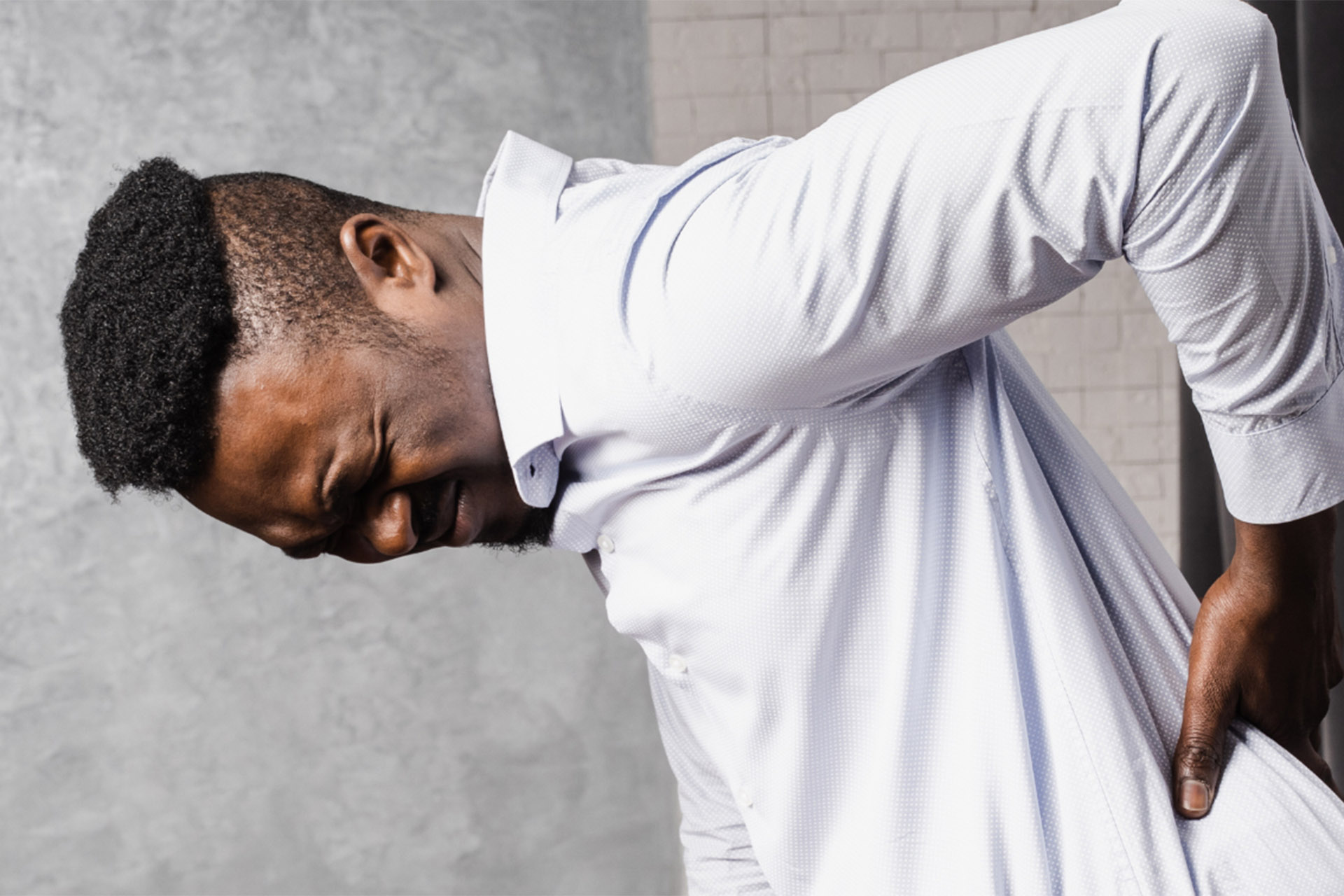
What Is A Herniated Disc?
Between each vertebrae in your spine sits a cushion with a rubbery exterior called the annulus. Inside, there is a soft almost jelly-like centre known as the nucleus. These are the discs. Discs act as shock absorbers for the vertebrae. A herniated disc is also called a bulged, slipped or ruptured disc.
How Can Discs Become Herniated?
There are a number of causes. Here are just a few.
- Excess body weight
Being overweight will put extra stress on all your joints, tendons, and the discs in your lower back. New research has shown that your waist measurement is more accurate than BMI as it can reveal how much fat is in your abdomen, including under your skin or has built up around your organs. The latter is especially dangerous to your health as it forces your organs to work so much harder. Too much fat in your liver, for example, raises your risk of coronary heart disease and type 2 diabetes.
To see if you’re carrying too much weight for your height, cut a piece of string that is the same length as your height. Fold it in half and then wrap it around your waist. If the ends don’t meet, you need to drop a few kilograms. If you are 165cm tall and weigh 70 kilograms you are considered medically overweight.
- Occupation Or Activities
Regular exercise is very important in terms of the prevention of slipping a disc. Yet people whose occupations involve repetitive lifting, pulling, pushing, bending sideways and twisting also can increase the risk of a herniated disc if those actions aren’t done correctly.
Being sedentary is just as bad. A lack of exercise means you haven’t developed any muscles or strength. So, when you do engage in heavy activity your muscles can’t support the weight correctly. This will put your spine, and the discs within it, under threat.
- Genetics
There’s nothing you can do about genetics. If you’re born with a predisposition to herniated discs, the best thing to do is to stay active, get regular exercise, and eat healthy.
- Smoking and drinking enough water
Smoking damages your lungs and that’s going to result in less oxygen being supplied to your spine’s discs. Every cell in your body needs water to work as optimally as possible. A lack of oxygen and water will cause your spine’s discs to deteriorate faster.
- Frequent driving or sitting for long periods of time
Sitting at your desk or in the driver’s seat for long periods of time without a break puts a lot of pressure on your lower spine. Take frequent breaks.
- Lifting a heavy item incorrectly
A herniated disc can happen when someone lifts, pulls, or pushes something heavy – it could be a sofa for example that you want to move to fit in more chairs for Christmas revellers. The easiest way to develop a herniated disc is to use your back muscles instead of your thigh muscles to lift heavy objects.
- An accident
A traumatic event, like a fall or a blow to the back can also cause a herniated disc, but this is rare.
Symptoms Of A Herniated Disc?
Symptoms depend on where the disc is sitting and whether the disc is pressing on a nerve. Herniated discs often affect one side of the body. The pain has been described as sharp or burning, However, you can have a herniated disc without symptoms. You might not even know you have a herniated disc unless it shows up on a spinal image.
But if you are experiencing any of the following, please see your medical caregiver as soon as possible:
- Arm, leg or foot pain. You’ll typically feel pain in your lower back, buttocks, thigh and calf, if your herniated disc is in your lower back.
- Arm and shoulder pain. More often than not, if you have a herniated disc in your neck, you’ll have a painful shoulder. When you sneeze, cough, or move in certain ways, this pain might shoot into your arm or leg.
- Numbness or tingling. People who have herniated discs often have radiating numbness or tingling around the damaged disk.
- If you find yourself stumbling for no reason, or your ability to lift or hold things seem to be diminishing, you could have a herniated disc. That’s because the muscles, which are powered by nerves, tend to weaken as the nerves will be affected by the herniated disc.
How Does Chiropractic Treatments Help Treat Herniated Discs?
One solution for herniated discs is surgery. But that’s not the only option. A number of Chiropractic methods are extremely valuable in preventing discs from being injured. If a disc has already become herniated, then Chiropractic care can also be a wonderful recovery tool.
5 Ways That Chiropractic Care Can Help
- Soft tissue treatment
- Muscle strengthening
- Mobility exercises
- Joint manipulation and spine realignment
- Thermal stimulation
6 Benefits of Chiropractic Care
- Corrected Posture and Positioning – A properly aligned spine prevents illnesses such as migraines, neck and back pain, difficulty with breathing, digestion problems etc.
- Reduced Swelling – Realigning your spine can minimise joint swelling resulting from the inflammation caused by the stress of misalignment.
- Greater Breathing Volume – Fixing the alignment of your spine, reduces the pressure on your ribcage making breathing much easier and more comfortable.
- Reduced Discomfort and Muscle Contractions – Repairing a herniated disc reduces the pressure on nearby nerves minimises pain, muscle spasms, shooting pain, and numbness or tingling.
- Improved Pliability and Movement – Removing the cause of discomfort and compensating muscle tension, caused by a misaligned spine, gives you far more freedom of movement.
- Reduced Pressure on the Sciatic Nerve and Relieving The Resulting Chronic Pain – Anyone who has ever suffered from Sciatica will tell you how disabling it is and how incredibly painful.
The sooner you book your appointment for Chiropractic care, the sooner you will be out of pain, and more complete and long-lasting will be your recovery. And the happier will be your Christmas!
Yours in health,
Dr. Monica and Helen
Get in touch
We service the greater part of Northern and Western Johannesburg; areas include Randpark Ridge, Northcliff, Fairlands, Cresta, Weltevreden Park, Honeydew, North Riding, Sundowner, Eagle Canyon, Little Falls and Radiokop to name but a few.
Our location
Anacare Wellness Centre
226 Dale Lace Avenue
(entrance in Rooihout Ave)
Randpark Ridge, Randburg
Republic of South Africa
Practice hours
Mon-Thu 08:00 to 17:00
Fridays: 08:00 to 14:00
Contact us
Practice: 079 083 3820
admin@joburgchiro.co.za